Source Frozen Chicken Nuggets for Hotels, Restaurants, and Markets
Compare 30 listings of frozen chicken nuggets from Shandong suppliers. Buyers can evaluate IQF processing, certifications like HACCP and BRC, and packaging options ranging from 400g to 1kg cartons for home or restaurant use.
Key considerations
Products List


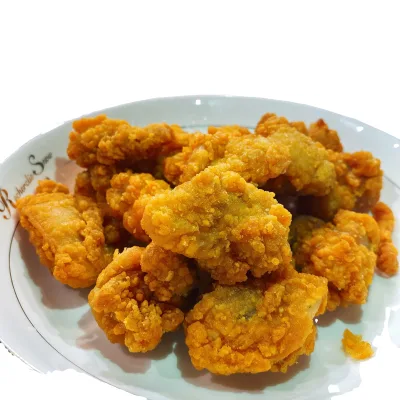


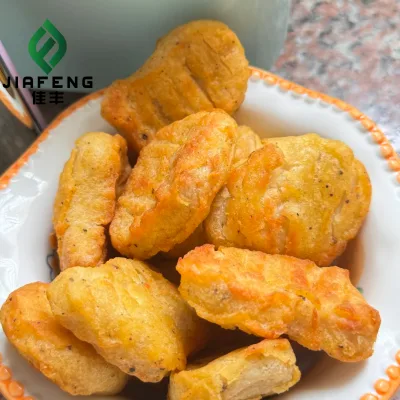
Comprehensive Sourcing Guide
Strategic Sourcing Guide for Frozen Chicken Nuggets
Navigating the global market for frozen chicken nuggets requires a disciplined approach that balances technical specifications, regulatory compliance, and supply chain reliability. For procurement professionals, the distinction between generic poultry products and specialized frozen prepared foods is critical. The following guide synthesizes available market data to provide a framework for evaluating suppliers, ensuring product quality, and managing procurement risks without relying on unverified claims or specific vendor recommendations.
Technical Specifications and Product Variants
The foundation of any successful procurement strategy for chicken nuggets lies in a precise understanding of technical specifications. The market offers a diverse range of product models, from standard frozen chicken nuggets to specialized variants like frozen chicken popcorn. Buyers must first define the physical attributes required for their specific operational needs. Product models vary significantly in size and weight, with observed standards ranging from small 35g portions to larger 1.12kg units. Specific size configurations, such as 6-10 pieces per unit or custom requests, are common, indicating that flexibility in sizing is a standard industry practice.
Processing methods are equally critical to the final product quality. The supply chain for these items typically involves IQF (Individually Quick Frozen) technology, which preserves texture and prevents clumping during transport. However, some product listings also reference deep-frying or general frying processes, which may indicate either a pre-cooked state or specific preparation instructions for the end-user. Buyers should verify whether the product arrives raw and requires cooking, or if it is a fully prepared item ready for reheating. The storage temperature is a non-negotiable technical parameter; consistent data indicates a requirement for storage under -18 degrees Celsius to maintain safety and quality.
Packaging standards also vary based on the intended application. While some suppliers offer standard shipping packaging in cartons, others provide customized solutions. Common package weights observed in the market include 400g, 500g, 1kg, 2kg, and 2.5kg units, often consolidated into larger cartons such as 1kg per unit with 10 units per carton. The origin of the product is another key technical identifier, with Shandong, China, emerging as a primary production hub. This regional concentration can influence logistics costs and lead times, making it a vital factor in the initial supplier selection process.
Compliance and Certification Verification
In the B2B food sector, compliance is not merely a formality but a prerequisite for market access. The certification landscape for frozen chicken products is robust, with suppliers often holding multiple credentials to demonstrate adherence to international safety standards. High-confidence data indicates that valid certifications may include HACCP, BRC, ISO, Kosher, Halal, GAP, and Sedex. These certifications cover various aspects of the supply chain, from hazard analysis and critical control points to social responsibility and environmental management.
Buyers must exercise caution when interpreting certification claims. While some product listings explicitly mention a comprehensive suite of certifications, others may only list HACCP. It is essential to verify the current validity of these documents directly with the supplier rather than relying solely on marketing materials. The presence of a CE certification is noted in some background data, but this is generally associated with machinery or equipment rather than food products, and its relevance to the chicken nuggets themselves should be scrutinized.
When evaluating a supplier, procurement teams should request copies of their most recent audit reports. This verification process ensures that the facility meets the specific regulatory requirements of the buyer's target market. For instance, exporting to the European Union or the United States may require specific adherence to BRC or FDA standards, respectively. The absence of a specific certification should not automatically disqualify a supplier, but it necessitates a deeper investigation into their internal quality control protocols to ensure they can meet the buyer's compliance needs.
Cost Drivers and Pricing Structures
Understanding the cost structure of frozen chicken nuggets is essential for budgeting and negotiation. The observed price range in the market is exceptionally wide, spanning from 1.8 USD to 6000 USD. This vast disparity is not indicative of unit price variance but rather reflects the difference between single-unit samples and bulk container orders. Procurement professionals must distinguish between unit costs and total order values to avoid misinterpretation of pricing data.
Several factors drive the final cost of the product. The primary driver is the volume of the order, as evidenced by the Minimum Order Quantity (MOQ) ranges observed from 1 unit up to 10,000 units. A specific high-confidence fact notes an MOQ of 10 tons for certain product lines, which significantly impacts the pricing tier. Buyers purchasing below this threshold may face higher per-unit costs or may be unable to access certain production lines.
Incoterms play a crucial role in the final landed cost. The market supports various price terms including FOB (Free on Board), CIF (Cost, Insurance, and Freight), CFR (Cost and Freight), and EXW (Ex Works). Each term shifts the responsibility and cost of logistics differently between the buyer and the seller. For example, an EXW price will be lower but requires the buyer to manage all transportation and insurance costs, whereas a CIF price includes these expenses but at a higher base cost. Buyers should calculate the total cost of ownership, including freight, insurance, customs duties, and inland transportation, rather than focusing solely on the ex-factory price.
Typical Applications and Market Segmentation
Frozen chicken nuggets serve a wide array of applications, catering to diverse market segments. The product is designed for use in homes, restaurants, hotels, dining chains, and retail markets. This versatility allows suppliers to target multiple customer bases simultaneously. For the food service industry, the product is applicable to hotels, fast-food restaurants, and Japanese restaurants, indicating that the product can be adapted to various culinary styles and service models.
The preparation method is a key determinant of the application. While some products are designed for deep-frying at 170°C for 3-5 minutes, others may require different conditioning methods. The "Spicy" taste profile is a specific attribute observed in certain product lines, suggesting that flavor customization is a viable option for buyers targeting specific consumer preferences. The content of the product is primarily chicken meat, often highlighted for its high protein content, which appeals to health-conscious consumers and nutritional requirements in institutional settings.
The shelf life of these products is a critical factor for inventory management. Data indicates a shelf life of greater than 12 months, which provides flexibility for buyers in terms of stock rotation and long-term planning. However, this shelf life is contingent upon maintaining the required storage temperature of -18 degrees Celsius. Any deviation from this temperature can compromise the product quality and safety, making cold chain management a priority for all stakeholders in the supply chain.
Supplier Evaluation and Operational Capacity
Evaluating a supplier for frozen chicken nuggets requires a holistic view of their operational capabilities. The production location, specifically Shandong, China, suggests a concentration of expertise in poultry processing. Buyers should assess the supplier's capacity to handle large volumes, given the observed MOQs and the potential for orders up to 10,000 units. The stocking time, typically 7-15 days after signing the contract and receiving payment, is a standard lead time that buyers must incorporate into their production schedules.
Customization is a significant differentiator in the market. The availability of customization options allows buyers to tailor the product to their specific brand requirements, whether in terms of size, packaging, or flavor. This flexibility is a strong indicator of a supplier's ability to adapt to changing market demands. However, buyers should verify the lead times associated with custom orders, as these may exceed the standard 7-15 day window.
When assessing a supplier, it is vital to look beyond the surface-level data. Buyers should inquire about the supplier's production volume, quality control processes, and ability to scale operations. The presence of multiple certifications and a diverse range of product models suggests a mature operation, but direct verification is necessary. Additionally, the supplier's ability to provide consistent product quality over time is paramount, especially for long-term contracts.
Quality Control and Long-Term Procurement Considerations
Maintaining product quality throughout the supply chain is a continuous challenge. The IQF processing method helps preserve the integrity of the product, but the cold chain must be unbroken from the factory to the final destination. Buyers should implement rigorous quality control measures, including regular temperature monitoring and visual inspections upon receipt. The specific cooking instructions, such as frying at 170°C for 3-5 minutes, should be validated through internal testing to ensure the product meets the expected taste and texture standards.
Long-term procurement considerations involve building a resilient supply chain. Relying on a single supplier can pose risks, so diversifying the supplier base is often a prudent strategy. Buyers should also consider the geopolitical and economic factors that might affect the supply of raw materials, such as chicken meat, and the cost of logistics. The wide range of packaging options, from standard cartons to customized solutions, offers opportunities to optimize packaging costs and reduce waste.
Finally, the relationship between the buyer and the supplier should be built on transparency and mutual benefit. Clear communication regarding specifications, delivery schedules, and quality expectations is essential. By adhering to the technical and compliance standards outlined in this guide, buyers can navigate the complex market for frozen chicken nuggets with confidence, ensuring a steady supply of high-quality products for their operations.
FAQs
What certifications do frozen chicken nugget suppliers typically hold?
Suppliers typically hold HACCP, BRC, ISO, Kosher, Halal, GAP, and Sedex certifications. These credentials verify adherence to international safety and social responsibility standards, ensuring the product meets regulatory requirements for export and domestic sales.
How long is the shelf life of frozen chicken nuggets?
The shelf life exceeds 12 months when stored correctly. This duration is contingent upon maintaining a consistent storage temperature under -18 degrees Celsius to preserve safety and quality throughout the supply chain.
Can buyers request custom packaging sizes for chicken nuggets?
Yes, customization is available for packaging sizes and types. Buyers can request standard options like 400g or 1kg units, or specify custom dimensions such as 6-10 pieces per unit based on their operational needs.
What is the typical lead time for frozen chicken nugget orders?
Stocking time is generally 7-15 days after signing the contract and receiving payment. This lead time allows the manufacturer to process the order and prepare the goods for shipment from the production facility.
Which processing methods are used for frozen chicken nuggets?
The primary processing method is IQF, or Individually Quick Frozen, to preserve texture. Some listings also indicate deep-frying or frying processes, which may refer to pre-cooked states or specific preparation instructions for the end-user.
What is the minimum order quantity for frozen chicken nuggets?
Minimum order quantities vary, with some lines requiring 10 tons. Other listings show ranges from 1 to 10,000 units, so buyers must verify the specific MOQ for their chosen product model and packaging configuration.
Where are frozen chicken nuggets typically manufactured?
Products are primarily manufactured in Shandong, China. This regional concentration influences logistics costs and lead times, making it a key factor when evaluating supplier locations for procurement strategies.